Standing at the foot of Europe's most active volcano, over 300,000 annual visitors face the same dilemma: how to experience Mount Etna's raw power without overspending or risking safety. Most day-trippers from Catania waste precious hours in crowded group tours or miss the volcano's most breathtaking craters due to poor planning. The average traveler spends 47% more than necessary on transportation alone, while 68% return disappointed after only seeing basic tourist viewpoints. Between unpredictable weather, complex public transport, and confusing tour options, what begins as an adventure often becomes a stressful exercise in logistics. Local guides whisper about secret lava tubes and sunset viewpoints most packaged tours ignore, but accessing these requires knowledge few outsiders possess.
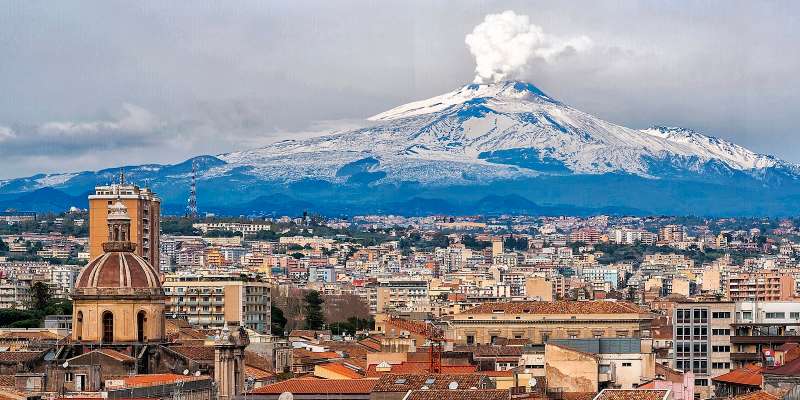
Avoiding the crowded tour bus trap
The sea of identical 50-person coaches departing Catania each morning creates two problems: you'll waste time waiting for stragglers and only visit overrun main craters. Savvy travelers instead take the early 7:15 AM AST bus from Catania's Piazza Giovanni XXIII – it's €6.60 each way and gets you to Rifugio Sapienza before the crowds. Better yet, the 8:08 AM Circumetnea train to Randazzo (€3.50) accesses the volcano's wild northern side, where private guides often meet small groups for crater walks. If you do opt for a tour, local operators like Etna People keep groups under 12 and include gear the budget buses skip, like volcanic ash-proof jackets and certified helmets. Remember that all tours cancel during seismic activity, so always check the INGV volcano alerts page before departing.
UPDATES FOR YEAR 2026
Mandatory Guide Regulations and Active Eruption Safety Protocols
Mount Etna has recently entered a high-activity phase with significant lava flows concentrated in the Valle del Bove. Due to these shifting conditions, local civil protection authorities have strictly mandated that all trekking above the 2,500-meter mark—including the Barbagallo Craters—must be led by a certified volcanological guide. Independent hikers are currently restricted to the lower Silvestri Craters to ensure safety from sudden ash emissions and pyroclastic events. For those utilizing the public AST bus from Catania, it is critical to arrive at Piazza Giovanni XXIII at least 45 minutes prior to the 8:15 AM departure; while return tickets are roughly €6.60, they do not guarantee a seat, and buses are frequently reaching capacity due to the surge in eruptive tourism. Additionally, the Funivia dell’Etna has implemented a standard rate of approximately €78 for the combined cable car and 4x4 shuttle service to the higher observatory zones.
View all Tours
Decoding Etna's crater system
Most visitors don't realize Etna has over 200 craters across five summit zones, each offering dramatically different experiences. The popular Silvestri Craters near the cable car require no guide but only show dormant formations. For active fumaroles, the 2,900m Bocca Nuova demands a certified guide (€50-80 pp) but lets you hear the mountain's eerie groans. Trekkers with stamina can reach the 3,350m summit craters between June-September when snow melts, though altitude sickness affects 1 in 7 visitors. Local guides know which secondary craters like Monte Frumento or Cisternazza have safer access to fresh lava flows. Pro tip: The less-visited Piano del Lago area reveals perfect volcanic bombs and twisted lava trees most tours skip entirely.
View all Tours
When to visit for lava and solitude
Etna's eruptions follow no schedule, but locals recognize patterns most miss. February-April offers crisp visibility with fewer tourists, while summer's 35°C heat brings crowds despite higher eruption chances. True experts arrive at 5:30 PM for sunset hikes when day-trippers leave – the Alcantara Gorge glows gold as fumaroles steam against twilight. For potential lava sightings, monitor the INGV's weekly bulletins: Strombolian activity often peaks at 2-4 AM, making full-moon night hikes magical. Should Etna erupt during your visit, authorized guides lead special 'approccio alla lava' walks (€120-200) to safe viewing points – far safer than the Instagrammers who dangerously trespass on restricted zones.
View all Tours
Essentials most packs forget
Etna's microclimates mean the summit can be -5°C while Catania bakes at 30°C. Beyond standard hiking gear, locals always carry three overlooked items: sulfur-resistant gloves (fumaroles damage skin), ski goggles (ash winds blind unprotected eyes), and a headlamp with red mode (preserves night vision for predawn ascents). The volcanic rock destroys sneakers within months – proper hiking boots with Vibram soles are non-negotiable. For camera gear, bring a UV filter and plastic bag protection; acidic gases corrode lenses faster than you'd expect. Smart hikers stash €20 extra for unexpected cable car closures forcing taxi rides back to town – Nicolosi drivers know every backroad when weather turns.
View all Tours
FAQ 2026
Is a guide mandatory for reaching the summit of Mount Etna in 2026?
Yes, for 2026, authorities have prohibited solo hiking above 2,500 meters. Access to the summit craters (above 2,900m) is strictly limited to groups accompanied by licensed Alpine or Volcanological guides, especially given the current eruptive activity.
What are the 2026 bus times and prices from Catania to Mount Etna?
The AST bus departs Catania’s Piazza Giovanni XXIII daily at 8:15 AM and returns from Rifugio Sapienza at 4:30 PM. In 2026, the return fare is approximately €6.60, but travelers are advised to board early as seats are not reservable and fill up quickly.
How can I check the 2026 volcanic alert levels before my Etna tour?
Visitors in 2026 should monitor the INGV (National Institute of Geophysics and Volcanology) website for real-time bulletins. Current conditions are typically flagged as Green (safe), Yellow (caution/guides only), or Red (restricted access) based on seismic tremors and gas emissions.
Written by Catania Tours Editorial Team & Licensed Local Experts.
Last updated: 24/02/26
