Exploring Catania's vibrant streets can overwhelm even seasoned travelers. With 62% of visitors missing key historic sites due to poor route planning (Catania Tourism Board 2023), many leave without experiencing the city's authentic Baroque soul. The maze of lava-stone alleys conceals both treasures and tourist traps, while summer heat turns aimless wandering into exhaustion. Locals know the efficient routes connecting fish markets, Roman ruins, and hidden courtyards – knowledge most guidebooks never capture. This disconnect leaves travelers frustrated when they realize too late they've walked past UNESCO gems or wasted hours in crowded areas.
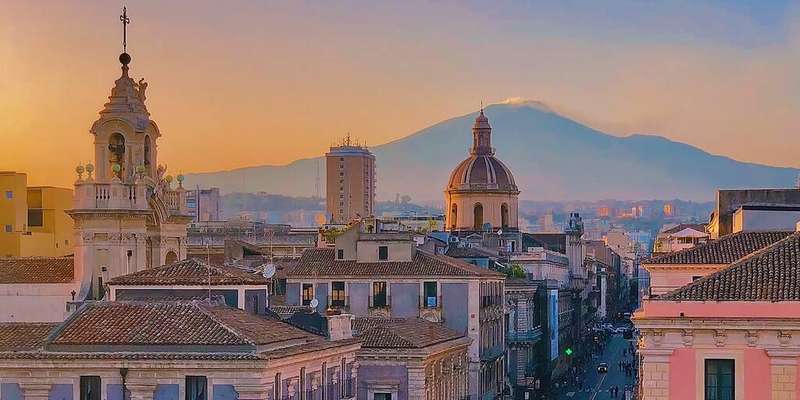
Navigating Catania's chaotic center without a map
Catania's historic district follows an ancient Roman grid cleverly disguised by centuries of rebuilding. The secret lies in using Mount Etna as your natural compass – visible from most streets when clouds permit. Start at Piazza del Duomo, where the elephant statue's trunk points toward Via Etnea, your main artery north. Local shopkeepers traditionally whitewash sidewalks early mornings, creating cool reflective paths during summer heat. Watch for subtle black lava stone markers at crossroads indicating directions to key sites like Teatro Romano. Many free city maps overlook these tactile guides originally made for 18th-century blind pilgrims. For orientation, time your walk with the 7am fish market bustle or 5pm passeggiata when locals intuitively flow between landmarks.
UPDATES FOR YEAR 2026
New Pedestrian Logistics and Updated Tourist Guidelines
Navigating the city has seen significant upgrades with the opening of the Ognina Station Bridge, a dedicated 168-meter pedestrian gateway that finally connects the urban fabric directly to the seafront. Travelers should also account for the revised municipal tourism tax, which now follows a tiered structure: budget accommodations and B&Bs generally charge €2.00 per night, while four-star and luxury hotels range from €2.50 to €5.00. These fees apply for the first four nights and must be paid locally, though minors under 16 remain exempt. For those arriving by rail, the newly activated high-capacity corridor has streamlined the transit between the airport and the historic center, making walking from Catania Centrale to Piazza Duomo a more viable first leg of your journey.
View all Tours
Discovering authentic street food beyond the tourist traps
While Via Etnea's flashy cafes draw crowds, Catanesi swear by the 'triangolo della brace' – a triangle of unmarked streets between Piazza Currò, Via Coppola, and Via Pacini where generations grill swordfish on sidewalk braziers. Arrive before noon when nonnas buy fresh ricotta from Caseificio Borderi's hidden counter (follow the lemon tree scent). Look for wooden benches with carved initials near University Square – these mark family-run tavole calde serving arancini at half the price of Duomo-area spots. A local trick: bakeries near Teatro Massimo Bellini sell leftover cannoli shells at sunset for DIY fillings. The key is moving counter-clockwise through markets as vendors pack up, when they often offer tasting samples of that day's unsold specialties.
View all Tours
Timing your walk to beat crowds and heat
Catania's microclimate creates three ideal walking windows most visitors miss. Dawn (5:30-7:30am) reveals Baroque facades glowing in golden light while delivery carts create living frescoes in empty piazzas. Smart walkers then rest during the 11am-3pm cruise ship onslaught, ideally in Villa Bellini's shaded bamboo grove. The 6:30-8pm slot offers cooler temperatures and magical hour when churches illuminate their facades. Locals avoid Tuesdays and Thursdays when tour groups overwhelm Fish Market areas. For unique solitude, walk during Sunday mass hours (10am-noon) when the city falls quiet except for echoing bells. Rainy days become opportunities too – the black lava streets create stunning reflections of palaces few ever photograph.
View all Tours
Finding secret vantage points most tours ignore
The best views of Catania aren't from expensive rooftop bars, but through forgotten staircases and convent windows. San Nicolò l'Arena's cloister (free entry) hides a spiral staircase leading to a panoramic terrace overlooking the Roman amphitheater. Polite requests at Palazzo Biscari's courtyard sometimes grant access to its legendary sea-view loggia. For photography magic, the third-floor hallway of Libreria Vicolo Stretto frames Mount Etna through arched windows. Savvy walkers follow elderly nuns to discreet elevator accesses in churches like Badia di Sant'Agata – these often lead to choir lofts with breathtaking perspectives. Remember Catania's vertical dimension: every uphill alley eventually rewards with cooling breezes and unexpected panoramas of the Ionian Sea.
View all Tours
FAQ 2026
What are the Catania tourist tax rates for 2026?
In 2026, the Catania tourist tax is tiered by accommodation category: €2.00 per night for B&Bs and 1-3 star hotels, €2.50 for 4-star hotels, and up to €5.00 for luxury stays. This fee applies for a maximum of four consecutive nights, and children under 16 are exempt.
Is the Catania fish market open on Sundays in 2026?
No, the historical fish market (A Piscaria) typically remains closed on Sundays in 2026. To experience the market at its peak, visit Monday through Saturday between 7:00 AM and 10:00 AM, and remember to wear closed-toe shoes as the lava stone floors are often wet.
Can I walk to the Catania seafront via the new pedestrian bridge in 2026?
Yes, as of early 2026, the Ognina Station Bridge provides a new, safe pedestrian link from the city to the Mediterranean. This 168-meter walkway features a panoramic viewpoint and connects the urban center to the coastal landscape, bypassing previous industrial barriers.
Written by Catania Tours Editorial Team & Licensed Local Experts.
Last updated: 24/02/26
