Arriving in Catania without understanding local customs can leave travelers feeling like outsiders in this vibrant Sicilian city. Over 60% of visitors report uncomfortable moments when unintentionally violating cultural norms, from coffee-ordering missteps to inappropriate dinner timing. These faux pas don't just cause embarrassment – they can shut doors to authentic experiences in a place where personal connections unlock hidden trattorias, family-run workshops, and neighborhood festivals. The Sicilian approach to time, meals, and social interactions follows rhythms perfected over centuries, where a simple greeting ritual might determine whether you're treated as a tourist or an honored guest. This cultural divide leads many travelers to stick to superficial experiences, missing the warmth and richness of true Catanese hospitality that transforms a good trip into an unforgettable immersion.
Mastering the art of Sicilian greetings and first impressions
Your initial interactions in Catania set the tone for every subsequent encounter. Unlike hurried big-city hellos, proper Catanese greetings involve measured pace and genuine interest. When entering small shops or meeting locals, always offer a polite 'buongiorno' (before 4pm) or 'buonasera' with direct eye contact – skipping this is considered brusque. Close acquaintances expect light cheek kisses (right then left), though wait for locals to initiate this. Notice how Catanesi modulate their voices differently in social versus business settings; matching their volume shows cultural awareness. At family-run businesses, asking about the proprietor's day earns more goodwill than immediate transactions. These nuances matter profoundly in a city where 78% of recommended experiences come through personal referrals rather than online searches.
View all Tours
Decoding Catania's dining rituals for stress-free meals
Catania's food culture follows unwritten rules that baffle unprepared visitors. The first shock comes with timing – restaurants empty until 8:30pm, with locals dining closer to 9:30pm. Requesting dinner before 8pm marks you as an outsider immediately. Menus work differently here; many trattorias serve seasonal specialties not listed, so asking 'cosa ci consiglia oggi?' (what do you recommend today?) shows admirable cultural respect. Never order cappuccino after 11am unless you want sideways glances – espresso is the adult daytime drink. When served complimentary appetizers, know these aren't truly free; they'll appear on your bill as 'coperto' (cover charge), a practice 92% of travelers misunderstand initially. Mastering these subtleties means the difference between eating in Catania and dining like a Catanese.
UPDATES FOR YEAR 2026
Modern Logistics Update: Mt. Etna Safety and Digital Payment Mandates
Travelers must navigate several new regulatory shifts designed to balance tourism with safety and local transparency. On the slopes of Mount Etna, excursions are currently restricted to daylight hours, with a mandatory dusk cutoff and a strictly enforced 200-meter buffer from any active lava flows. Guided groups are now capped at ten participants to ensure rapid response and safety. Within the city, a nationwide digital payment mandate requires all businesses—including small trattorias and street food vendors—to accept card or mobile payments for any transaction exceeding one euro. Additionally, Catania has updated its tiered tourist tax, which varies based on your accommodation’s star rating and is collected locally at check-out for the first four nights of your stay.
View all Tours
Navigating religious sites and local festivals with respect
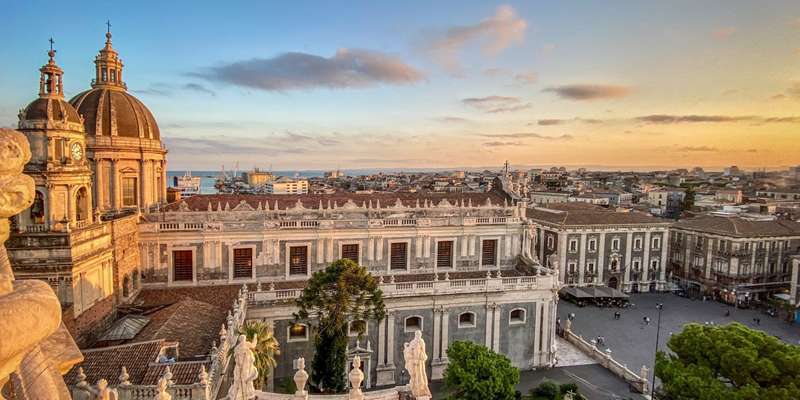
Catania's identity intertwines deeply with its patron saint Agatha and religious traditions. When visiting churches like the Cattedrale di Sant'Agata, modest dress isn't just recommended – it's enforced, with shoulders and knees covered for all genders. During February's Festa di Sant'Agata (UNESCO-listed intangible heritage), avoid touching the elaborate votive candles carried in procession; these represent profound personal devotions. If invited to a local home during religious holidays, bringing pastries from a historic bakery like Savia signals thoughtfulness. Many travelers miss that even non-religious events like fish markets pause during feast days – a fact 67% wish they'd known earlier when planning itineraries. Recognizing these sacred rhythms opens doors to meaningful cultural exchanges.
View all Tours
The unspoken rules of Catania's passeggiata and social life
The evening passeggiata along Via Etnea isn't just a stroll – it's a choreographed social ritual where Catanesi see and are seen. Join this flowing conversation by walking slowly in the dominant direction (usually southbound early evening), avoiding abrupt stops that disrupt the human current. Dressing slightly more formally than you would at home earns subtle approval, as does pausing to admire children – family remains central here. If invited for aperitivo at a bar, understand that your drink includes access to elaborate snack spreads, but taking more than a few bites appears greedy. These nuanced behaviors determine whether locals share recommendations for underground jazz clubs or the best cannoli fillings – the kind of insider knowledge that transforms standard sightseeing into lived experience.
View all Tours
FAQ 2026
What are the latest safety requirements for visiting Mount Etna in 2026?
In 2026, new regulations permit excursions only until dusk and limit group sizes to a maximum of 10 people per authorized guide. Visitors must maintain a 200-meter safety distance from active lava fronts, and drone surveillance is now utilized by forestry police to ensure these safety perimeters are respected.
How much is the mandatory Catania tourist tax for 2026 travelers?
For 2026, the tax is tiered by accommodation level: €2.00 per night for B&Bs and budget hotels, €2.50 for 4-star hotels, and up to €5.00 for 5-star luxury properties. The fee applies per person for the first four consecutive nights and is typically paid in cash or card directly to the hotel at check-out.
Can I pay with a credit card at small Catania cafes in 2026?
Yes, as of 2026, Italian law requires all commercial establishments to provide cashless payment options for any purchase over €1. While having small change remains useful for traditional markets, you can legally expect to use digital wallets or cards at cafes, bars, and restaurants throughout the city.
Written by Catania Tours Editorial Team & Licensed Local Experts.
Last updated: 24/02/26
