Beneath Catania's vibrant streets lies a layered history most visitors miss. Over 70% of travelers report leaving Sicily's second city without experiencing its UNESCO-listed Baroque treasures or underground Roman ruins, often due to confusing signage and crowded peak hours. The frustration mounts when you realize these oversights could have been avoided – ancient Greek theaters sit unnoticed behind unassuming alleys, while 17th-century palazzos hide in plain sight. Locals know the rhythms that reveal Catania's true character: when to catch golden light on lava-stone facades, how to bypass ticket lines at the elephant-adorned cathedral, where to find Byzantine mosaics beneath modern cafes. This isn't just about checking sites off a list; it's about connecting with a city that has risen from volcanic ashes seven times.
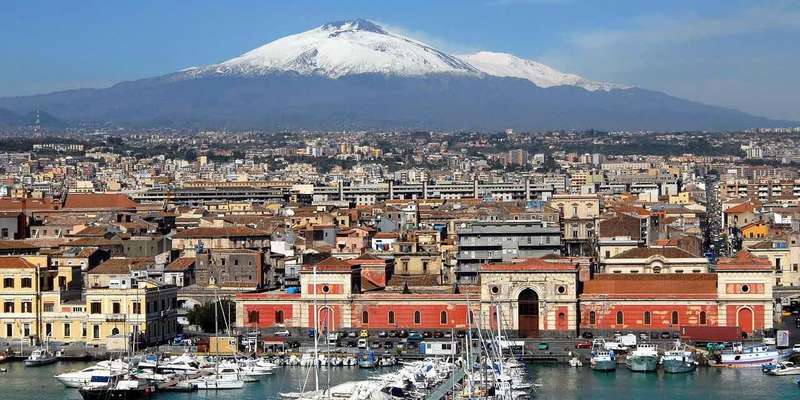
Navigating Catania's layered past without a map
The city's complex history becomes overwhelming when Baroque churches sit atop Roman roads, which in turn cover Greek foundations. Start at Piazza del Duomo where the elephant statue (u Liotru) serves as your orientation point – this 18th-century symbol stands on lava stone from 1693's earthquake. From here, the underground becomes your classroom: the Roman Amphitheater's visible portion near Piazza Stesicoro is just 10% of the structure. Local archaeologists recommend the lesser-known Terme della Rotonda, a 2nd-century bath complex converted into a church, where you can trace the evolution of sacred spaces. Morning light between 8-10am creates ideal photography conditions at Via dei Crociferi's consecutive Baroque churches, before tourist groups arrive.
View all Tours
Timing your visit to ancient sites like a local
Catania's most significant sites suffer from midday crowding, particularly the Cathedral of Sant'Agata where cruise passengers queue for the rooftop views. Savvy travelers visit either at opening (8:30am) or during the Sicilian riposo (1:30-4pm) when groups dissipate. The Benedictine Monastery operates timed entry slots that few book in advance – their 16th-century cloisters reveal quiet corners for contemplation. For underground sites like the Roman Theater, late afternoon visits mean cooler temperatures in the subterranean passages. Locals swear by Wednesday mornings for the Fish Market area; though not historical per se, the centuries-old trading rhythms against lava stone backdrops showcase living traditions. Those willing to wake early can have Castello Ursino's medieval halls virtually to themselves before 9:30am.
UPDATES FOR YEAR 2026
Essential Logistics Alert: Site Closures and New Access Protocols
Current travelers must account for a major structural restoration project at Castello Ursino, which has introduced phased interior closures and limited access to certain wings of the Civic Museum. To avoid disappointment, verify the specific galleries open during your week of travel. Significant changes have also been implemented for subterranean sites: tickets for the Terme Achilliane are now exclusively issued at the Museo Diocesano (located to the right of the Cathedral's façade) rather than at the bath entrance itself. Furthermore, the historical core is now a strictly monitored 24/7 Limited Traffic Zone (ZTL); driving within these boundaries without a specific hotel permit will result in automated fines. Lastly, the municipal stay tax has been updated to a tiered system ranging from €2 to €5 per night, which should be factored into your local budget.
View all Tours
Decoding Catania's architectural rebirth after disaster
The 1693 earthquake that leveled eastern Sicily forced Catania to rebuild in what became Sicilian Baroque style. Via Etnea demonstrates this best, where buildings incorporate volcanic stone (pietra lavica) as both structural element and decorative motif. Palazzo Biscari's over-the-top stuccowork becomes understandable when you learn the family competed with neighbors to showcase resurrection symbolism. At San Nicolò l'Arena, the unfinished dome allows study of construction techniques – notice how earthquake-proof arches differ from mainland Italian designs. For contrast, seek out the few surviving Norman elements at the Castello Ursino, where 13th-century battlements were preserved despite later lava flows. Understanding these layers transforms random ornamentation into meaningful survival stories.
View all Tours
Hidden courtyards and unexpected ancient encounters
Beyond the main sights, Catania rewards those who wander with accidental discoveries. The courtyard at Palazzo Manganelli often goes unnoticed despite its perfect Baroque proportions and resident artisans working traditional papier-mâché. Nearby, Villa Cerami's law school hides an exquisite 18th-century staircase few tourists photograph. For truly off-radar history, seek out the Terme Achilliane beneath Piazza Duomo – accessed through a small door near the fountain, these Roman baths feature intact hypocaust systems. Locals know the Antico Caffè Sicilia isn't just for cannoli; its mirrored halls preserve 19th-century political intrigue. Evening passeggiata along Via Crociferi offers free open-air concerts in church courtyards where the acoustics were designed for such performances centuries ago.
View all Tours
FAQ 2026
Is Castello Ursino open for visitors in 2026?
Castello Ursino is currently undergoing a €4 million restoration project in 2026, resulting in phased closures. While the exterior remains a landmark, check the official municipal site for the monthly schedule of accessible museum halls.
How do I purchase tickets for the Terme Achilliane in 2026?
As of 2026, tickets for the Terme Achilliane must be purchased in advance at the Museo Diocesano, situated next to the Catania Cathedral. Entrance is managed in small groups to preserve the delicate Roman thermal structures.
What are the Catania tourist tax rates for 2026?
The 2026 tourist tax in Catania is tiered by accommodation type: €2.00 per night for B&Bs and 1-3 star hotels, €2.50 for 4-star hotels, and up to €5.00 for luxury 5-star properties, applicable for the first four nights of stay.
Written by Catania Tours Editorial Team & Licensed Local Experts.
Last updated: 24/02/26
