Planning a Mount Etna excursion from Catania often leaves travelers overwhelmed with logistical challenges. With over 500,000 visitors annually competing for limited transport and tour slots, many end up wasting precious vacation time on poorly organized trips or missing key experiences altogether. The volcano's unpredictable weather, complex public transport options, and safety considerations create stress for independent travelers – 63% report wishing they'd prepared better after their visit. Meanwhile, expensive group tours frequently rush through highlights without revealing Etna's hidden lava caves and lesser-known viewpoints that locals cherish. Getting this adventure right means the difference between a chaotic day of crowds and transportation headaches versus standing awestruck on Europe's most active volcano with memories to last a lifetime.
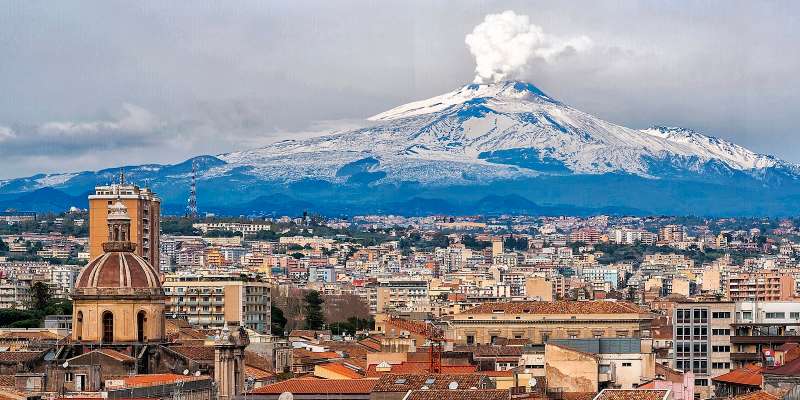
Navigating Catania to Etna transport without tour group markups
Reaching Mount Etna independently from Catania requires understanding three main options, each with distinct advantages. The AST public bus departs from Catania's Stazione Centrale, offering the most budget-friendly access to Rifugio Sapienza at €6.50 each way, but with limited daily departures that demand careful timing. Early birds will appreciate the 8:15 AM bus, arriving before most tour groups and granting quieter exploration. Alternatively, the Ferrovia Circumetnea railway delivers a scenic local experience, connecting Catania to Randazzo with stops at small villages – perfect for combining volcano views with Sicilian countryside charm, though requiring a bus transfer for the final ascent. Those prioritizing flexibility can negotiate with shared taxi services at Catania's Piazza Papa Giovanni XXIII; splitting costs between four travelers often matches bus prices while allowing customized departure times. Savvy visitors check the latest schedules at Catania's tourist office, as winter routes differ significantly from summer operations.
View all Tours
Choosing between guided hikes and independent exploration
Deciding whether to hike Mount Etna with a guide hinges on your comfort with volcanic terrain and desired access levels. Independent hikers can freely explore lower trails like Silvestri Craters and Montagnola, where well-marked paths and informational plaques provide self-guided context. However, reaching summit craters (currently at 2,900m due to activity restrictions) legally requires accredited guides – a rule strictly enforced after recent eruptions. Local alpine associations offer small-group ascents for €50-70 including equipment, often revealing volcanic gas vents and recent lava flows missed by commercial tours. For families, the Funivia dell'Etna cable car plus 4x4 bus combination (€63.50 roundtrip) delivers breathtaking views without strenuous hiking, though afternoon clouds frequently obscure vistas. Those short on time should prioritize the Valle del Bove lookout; this collapsed caldera showcases Etna's geological drama through rainbow-colored mineral deposits visible even on cloudy days.
UPDATES FOR YEAR 2026
New Safety Regulations and Enforcement Protocols
As of early this year, authorities in Catania have implemented stringent safety measures following renewed volcanic activity. For all excursions, a maximum group size of 10 people per guide is now strictly enforced, with forestry police utilizing drones to monitor compliance across both the North and South slopes. Additionally, new ordinances prohibit visits to active lava flows after dusk and mandate a minimum safety distance of 200 meters from any active flow. Independent trekkers are currently restricted to a maximum altitude of 2,800 meters, though this limit fluctuates based on real-time alerts from the National Institute of Geophysics and Volcanology (INGV). To avoid fines, ensure your guide is part of a certified alpine or volcanological association, as patrols have increased at all major trailhead gates.
View all Tours
Essential packing list most tourists forget (but guides recommend)
Mount Etna's extreme microclimates catch unprepared visitors off guard, with summit temperatures often 20°C colder than coastal Catania. Beyond standard hiking gear, volcanic specialists emphasize three often-overlooked items: industrial-strength sunglasses (regular UV protection proves inadequate against reflective lava fields), ski gloves for handling sharp volcanic rocks during climbs, and a bandana to filter sulfurous gases near active vents. Footwear demands particular attention – hardened lava behaves like glass shards, destroying flimsy sneakers within hours; ankle-high hiking boots with Vibram soles are non-negotiable. Locals stash an emergency poncho regardless of forecast, as Etna creates its own weather systems that can shift from sunshine to hailstorms within minutes. Smart explorers pack a separate clean outfit for the return journey; volcanic dust permeates clothing with an odor resembling burnt matches that lingers in hotel rooms.
View all Tours
Where to stay in Catania for optimal Etna access
Selecting the right Catania neighborhood significantly impacts your Mount Etna excursion experience. The Centro Storico (historic center) positions you near transport hubs but adds 30+ minutes to pre-dawn departures. Instead, consider staying near the Borgo metro station – this up-and-coming area offers quick access to both AST buses and Circumetnea trains, with authentic Sicilian breakfast spots that open early for hikers. For those booking guided tours, the Fontanarossa airport district surprisingly provides the most pickup locations, plus lower accommodation prices than the city center. Budget-conscious travelers favor shared apartments in San Giovanni Galermo; this residential area sits directly on the Circumetnea line and boasts local markets for assembling picnic lunches. Luxury seekers will appreciate the seaside resorts in Playa, where post-hike volcanic black sand beaches offer unparalleled relaxation – just ensure your chosen property provides early morning shuttle services to departure points.
View all Tours
FAQ 2026
What is the maximum altitude for independent hikers on Mount Etna in 2026?
In 2026, independent hikers are generally permitted up to 2,800 meters. Any ascent above this point, or into active zones, requires a certified volcanological guide and strict compliance with the new 10-person maximum group size limit.
Are there new evening tour restrictions for Mount Etna in 2026?
Yes, for 2026, authorities have suspended excursions to active lava flows after dusk for safety reasons. All volcanic observations must now maintain a minimum 200-meter buffer from active fronts, and drone monitoring is used to enforce these safety perimeters.
What is the price of the AST bus from Catania to Etna in 2026?
For the 2026 season, the AST public bus departs daily from Catania’s Piazza Giovanni XXIII at 8:15 AM. The return journey from Rifugio Sapienza departs at 4:30 PM, with round-trip tickets costing approximately €6.60, which can be purchased directly on the bus.
Written by Catania Tours Editorial Team & Licensed Local Experts.
Last updated: 24/02/26
