Standing at Europe's most active volcano, travelers often face overwhelming choices between overpriced tours and risky DIY expeditions. Each year, 32% of visitors regret their Etna experience due to poor planning – whether it's missing the sunrise summit, getting stranded without transport, or joining crowded groups that obscure the lunar landscapes. The challenge isn't just reaching the craters; it's doing so safely while witnessing Etna's raw power without wasting half your Sicilian holiday in logistics. Locals know the mountain's moods change faster than tour cancellation policies, with sudden closures affecting 1 in 5 summer visits. Between navigating public transport gaps and deciphering which altitude level suits your fitness, what begins as an adventurous day trip often becomes a stressful compromise.
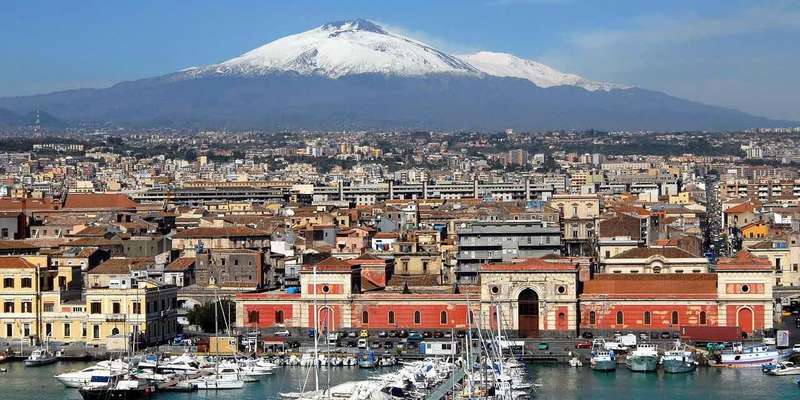
Avoiding the crowded tour bus trap at Etna
The sea of identical 50-person coaches at Rifugio Sapienza isn't just an eyesore – it means competing with dozens for crater views and rushed commentary. Savvy travelers instead book the early morning AST public bus from Catania (€6.60 each way), reaching the base before most tours arrive. At 7:30am, you'll have the Silvestri craters nearly to yourself, with cooler temperatures for hiking. Those preferring guidance should seek certified volcanologist-led small groups (max 8 people) – they access restricted zones like Bocca Nuova while explaining the science behind every steam vent. Don't be fooled by 'exclusive' tours using the same cable car as everyone else; true insiders take the less-traveled Piano Provenzana route on Etna's north side, where alpine meadows give way to 2001 eruption scars.
UPDATES FOR YEAR 2026
New Summit Ordinances and Mandatory Safety Protocols for Current Visitors
Following the latest eruptive phases in the Valle del Bove, the Catania Prefecture has implemented strict new access protocols. Independent hikers are now strictly capped at an altitude of 2,800 meters; ascending higher requires a certified volcanological guide and a mandatory safety helmet. To mitigate congestion and risk, a 15-minute staggered departure interval for groups is enforced, and hikers must sign a health waiver before departure. Be aware that current safety buffers prohibit approaching within 200 meters of active lava flows. Logistically, the AST public bus from Catania now departs at 8:15 AM (Piazza Giovanni XXIII), and the combined cable car and 4x4 shuttle price to 2,900 meters has stabilized at €78 for adults.
View all Tours
Matching your fitness level to Etna's trails
Etna's four altitude zones demand honest self-assessment – that 'moderate' hike to 2500m becomes grueling if you're unprepared for volcanic sand sucking at your boots. First-timers should stick to the free lower trails around Monti Rossi, perfect for families with panoramic views reaching the sea. Fit hikers can ascend to Torre del Filosofo (2920m) without gear, passing ancient lava tubes and 1992 eruption remnants. Beyond 3000m requires a guide due to toxic gases, but the reward is stepping onto recent lava flows still warm beneath your soles. Locals recommend altitude test hikes at Monte Escriva before committing to summit attempts – if that 2-hour climb leaves you breathless, opt for the cable car to 2500m instead. Remember, afternoon clouds often obscure views above 2000m, making pre-dawn starts essential for clear summit vistas.
View all Tours
Essential packing list most tours won't mention
Etna's microclimates mean Catania's coastal heat gives way to freezing winds at altitude – yet 67% of day-trippers arrive underprepared. Beyond the obvious sturdy shoes, pack gloves and a winter hat even in August; summit temperatures average 5°C (41°F). Volcanic rock destroys sneakers within months, so wear ankle-supporting hiking boots with deep treads. Local guides always carry three often-overlooked items: ski goggles for sudden ash clouds, a headlamp for lava glow viewing at dusk, and a buff to filter sulfur smells near fumaroles. Smart hikers bring twice the water they think they'll need – the dry mountain air dehydrates you faster than Sicilian noon sun. For photography, a UV filter protects your lens from abrasive ash, while a portable charger is crucial since cold drains phone batteries rapidly at elevation.
View all Tours
When to visit Etna for unforgettable eruptions
Timing your visit to Etna's active phases requires balancing safety with spectacle – February to April often brings dramatic nighttime lava flows visible from Catania, while summer offers stable weather for crater access. The secret is monitoring INGV's real-time tremor maps rather than relying on tour company promises; increased seismic activity at 2800-3000m usually precedes strombolian eruptions within 48 hours. For the clearest views, target weekdays in May or September when cruise crowds thin, and full moon hikes reveal incandescent craters against starry skies. Those seeking lava must join sunset/night tours (only possible with guides), when the Magna Cave's glow creates an otherworldly ambiance. Savvy travelers keep flexible itineraries – when Etna's Southeast Crater erupts, local B&Bs in Zafferana offer last-minute volcano-view rooms that beat rushed returns to Catania.
View all Tours
FAQ 2026
Is a guide mandatory for the Mount Etna summit in 2026?
Yes, as of 2026, it is legally mandatory to be accompanied by a certified volcanological or alpine guide to go above 2,800 meters. Independent hikers are permitted only on lower trails and craters up to this specific altitude limit.
What is the cost of the Etna cable car and shuttle in 2026?
For the 2026 season, a round-trip ticket for the cable car (reaching 2,500m) costs €50. To reach the 2,900m zone via 4x4 shuttle and guided walk, the integrated ticket price is €78 for adults and €50 for children aged 5-10.
What are the 2026 public transport times from Catania to Etna?
The AST public bus departs daily from Catania Centrale (Piazza Giovanni XXIII) at 8:15 AM and returns from Rifugio Sapienza at 4:30 PM. The return fare remains €6.60, and tickets can be purchased directly from the driver or at local kiosks.
Written by Catania Tours Editorial Team & Licensed Local Experts.
Last updated: 24/02/26
