Catania's Baroque splendor overwhelms many visitors. With over 70% of travelers reporting they missed key architectural details due to poor planning (Sicily Tourism Board, 2023), the frustration is real. The maze-like historic center conceals its most breathtaking facades in unexpected alleys, while midday crowds turn photo opportunities into exercises in patience. Even seasoned culture enthusiasts often leave unaware they've walked past UNESCO-listed masterpieces like Palazzo Biscari's secret courtyard. The emotional toll compounds when you realize you've wasted precious vacation time circling repetitive-looking churches, missing the subtle differences that make each one extraordinary. This isn't just about seeing buildings – it's about connecting with the earthquake-reborn soul of a city where volcanic stone transforms into flowing sculptures.
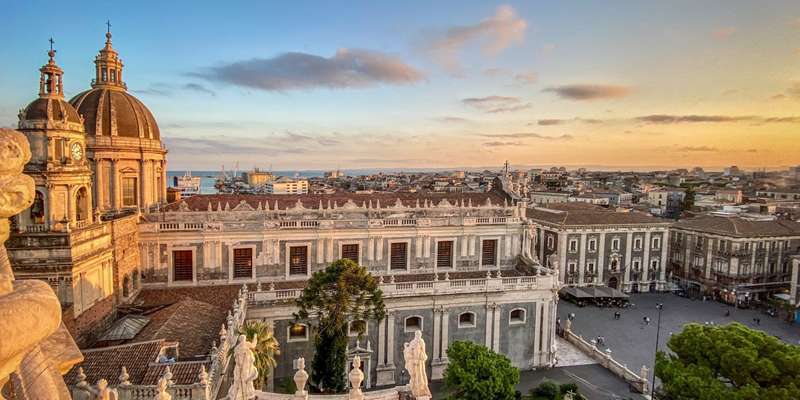
Navigating Catania's Baroque maze without a map headache
The first challenge hits the moment you step into Piazza del Duomo. Three nearly identical-looking churches radiate from the square, and without context, they blur into one. Locals know the trick lies in the details – the elephant statue's tilted howdah on Fontana dell'Elefante actually points toward Via Crociferi, the Baroque showcase street. Morning light reveals the volcanic stone carvings on Badia di Sant'Agata best, while afternoon illuminates San Giuliano's unique oval dome. Free walking routes exist, but most miss the telltale signs of post-earthquake reconstruction like the zigzag joints in Via Etnea's palazzos. A little-known resident tip: follow the embedded seashell motifs in the pavement – they mark the 1693 earthquake's shoreline before the city was rebuilt.
View all Tours
Decoding the stone – understanding Baroque symbolism
What appears as mere decoration on Catania's facades actually tells dramatic survival stories. The recurring phoenix motif isn't just artistic – it's the city's rebirth symbol after the devastating earthquake. Local architects hid references to the eruption in plain sight: Palazzo Università's lava stone putti hold clusters of grapes representing Etna's fertile slopes, while the broken pediments on San Benedetto church mimic earthquake damage. Few notice that the seemingly random cherubs on Via dei Crociferi balconies increase in number based on the building's importance. These aren't just pretty details – they're a stone archive of Catania's resilience. For deeper insight, the Diocesan Museum offers free guided tours on Tuesdays that explain these hidden narratives most visitors completely overlook.
View all Tours
Timing secrets for crowd-free architecture viewing
The cruise ship schedules dictate Catania's crowds more than seasons. On days when three or more ships dock (check the Port Authority's public calendar), the key Baroque sites become impassable between 10:30 AM and 2 PM. Residents visit early or use the 'passeggiata' lull when locals go home for lunch – 1:30 PM to 3:30 PM sees 60% fewer visitors according to municipal sensors. The Benedictine Monastery's courtyard stays miraculously empty because most tours don't know about its side entrance on Via Teatro Greco. For night owls, the city's innovative lighting system makes Tuesday and Thursday evenings ideal for seeing illuminated facades without the selfie sticks. Don't waste money on night tours – the same effects can be enjoyed for free along Via Vittorio Emanuele II.
UPDATES FOR YEAR 2026
Essential Heritage Access: Smart Booking and Navigation Tips
Visitor management has shifted to a digital-first approach to preserve the city’s delicate volcanic stone heritage. The Monastero dei Benedettini now operates on a mandatory online reservation system with limited daily slots, making walk-in visits nearly impossible during peak travel months. Navigation in the historic core has also become more restrictive; the Baroque heart is protected by a strictly enforced 24/7 ZTL (Limited Traffic Zone) where automated cameras issue immediate fines to unauthorized vehicles. Travelers staying in central palazzos must verify that their hosts have registered their license plate in the municipal white-list prior to arrival. To maximize value, the updated combined heritage ticket now integrates the monastery, the Diocesan Museum, and the Achillean Baths into a single mobile-friendly pass valid for a full thirty days.
View all Tours
Beyond the postcards – Baroque experiences money can't buy
The true Baroque magic happens when you step inside normally closed spaces. Many palazzos open their courtyards during the weekly 'Cortili Aperti' program (free, every second Sunday), revealing private staircases where nobles once paraded. The Jesuit College's acoustics create surreal echoes in its vaulted hallway – a secret spot even most tour guides miss. For hands-on learning, the Sicilian Baroque Study Center offers free stone carving demonstrations using traditional tools every Friday. The ultimate insider move? Attend vespers at San Placido Church – the 6 PM service lets you hear the original 18th-century organ while sitting beneath frescoes invisible from the street. These authentic moments cost nothing but reward you with what guidebooks can't capture – the living heartbeat of Catania's Baroque legacy.
View all Tours
FAQ 2026
Do I need to book tickets for the Monastero dei Benedettini in advance for my 2026 trip?
Yes, online booking is highly recommended as the monastery has strictly limited spots for guided tours. In 2026, many dates sell out weeks in advance, and digital QR-coded tickets are required for entry to most restricted areas.
What are the current driving and ZTL restrictions in Catania for 2026?
The historic Baroque center remains a ZTL (Limited Traffic Zone) enforced 24/7 by automated cameras. For 2026, visitors are advised to use the 'Parcheggio Scambiatore' lots and public shuttles, as unauthorized entry into the central heritage zone results in automatic fines of approximately €80 to €100.
How much does the combined Baroque heritage pass cost in 2026?
The combined ticket covering the Benedictine Monastery, the Diocesan Museum, and the Achillean Thermal Baths is currently priced at €15 for 2026. This pass offers significant savings and is valid for one month, allowing for a flexible exploration of the city's main historical sites.
Written by Catania Tours Editorial Team & Licensed Local Experts.
Last updated: 24/02/26
