History enthusiasts visiting Catania often miss its layered past beneath the bustling modern surface. While 78% of visitors head straight to Mount Etna, few realize this UNESCO-listed city holds 2,700 years of Greek, Roman, and Norman heritage compressed into walkable streets. The frustration comes when key sites like the Roman Theater get overlooked or visited without context, leaving travelers with beautiful photos but no understanding of the civilizations that shaped them. With limited English signage at many locations and tour groups focusing mainly on food experiences, independent explorers frequently leave Catania unaware they've walked past Byzantine mosaics or medieval lava stone walls. This gap between seeing and truly experiencing the city's history is what leaves many culture seekers unsatisfied.
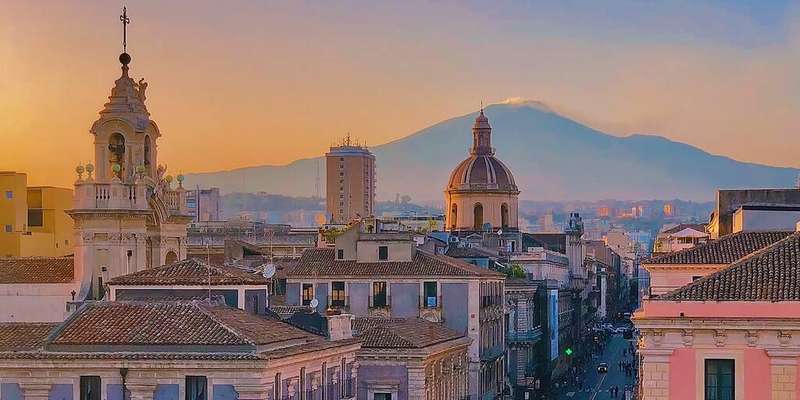
Decoding Catania's ancient layers without a guide
The real challenge in Catania isn't finding historical sites – it's interpreting them. Take Piazza Stesicoro, where a busy roundabout encircles the partially excavated Roman amphitheater that once seated 15,000 spectators. Most visitors snap a photo from the perimeter without realizing they're standing above an entire buried network of gladiator tunnels. Local historians recommend visiting at 8 AM when the morning light reveals the volcanic stone construction techniques, or using the free Catania Sotterranea app that overlays augmented reality reconstructions. For the Greek era, the often-overlooked Acropolis Hill near the university holds fragments of Cyclopean walls most miss entirely. These unmarked treasures become meaningful when you know how to read the clues in the stonework and urban layout.
View all Tours
Baroque wonders beyond the obvious landmarks
While everyone photographs the elephant fountain, Catania's true Baroque brilliance lies in its lesser-known palazzos and churches rebuilt after the 1693 earthquake. The key is understanding the lava stone construction that gives these buildings their distinctive black-and-white aesthetic. Local art historians suggest focusing on three elements: the putti (chubby cherub sculptures) holding up balconies on Via dei Crociferi, the hidden courtyard of Palazzo Biscari with its seashell-encrusted walls, and the earthquake-resistant curved facades of San Placido Church. For a self-guided tour, follow the 'Lava Route' markers installed by the university – these blue ceramic plaques trace the flow of historical eruptions through architectural adaptations most commercial tours don't cover.
View all Tours
Timing your visits to beat crowds at key sites
Catania's compact historic center means major sites like Ursino Castle can feel overcrowded when cruise ships dock. Savvy travelers use two local strategies: the 'passeggiata inversion' (visiting indoor sites during the evening stroll hours when locals are outdoors) and the 'mercato overlap' (exploring Roman ruins near the fish market during peak shopping hours from 7-9 AM). The Benedictine Monastery opens its secret rooftop terrace only at 11 AM and 3 PM – a detail known mostly to university professors. For the underground Roman baths, purchase tickets online for the first slot at 9 AM when the cool morning air makes the subterranean exploration more comfortable. These timing nuances transform chaotic visits into peaceful encounters with history.
UPDATES FOR YEAR 2026
Navigating Digital Bookings and New Access Rules for Historic Sites
Logistics for Catania’s archaeological sites have shifted toward a mandatory 'digital-first' entry system. The Roman Amphitheatre at Piazza Stesicoro now requires pre-booked time slots via the official regional portal to manage capacity, and the once-informal tunnel tours are strictly regulated through certified archaeological associations. Travelers should also note the expanded 'ZTL' (Limited Traffic Zone) encompassing most of the Baroque core; vehicle access is restricted, making the historic center fully pedestrian-focused. For the Benedictine Monastery and the Roman Baths, ticket offices have transitioned to cashless payments only. Furthermore, a new combined 'Catania Pass' now includes the underground thermal complexes and the Diocesan Museum, offering a streamlined QR-code entry that bypasses traditional ticket lines.
View all Tours
Uncovering Norman and Byzantine traces most miss
Few visitors realize Catania was a major Byzantine stronghold before the Arabs arrived in the 9th century. The subtle clues require knowing where to look: the reused Roman columns in the Cathedral's crypt, the faded frescoes in Sant'Agata al Carcere chapel, and the Arab-Norman arches hidden within modern buildings on Via Vittorio Emanuele. Local archaeologists recommend the Diocesan Museum's rarely visited third floor where Norman-era mosaics are displayed with magnifying glasses to appreciate their detail. For a tangible connection to Roger II's reign, rub your hand along the warm lava stone walls of the Castello Ursino – the temperature difference between the medieval stones reveals which sections were rebuilt after earthquakes. These tactile experiences create deeper historical understanding than standard guided tours.
View all Tours
FAQ 2026
Do I need to book tickets in advance for Catania's Roman sites in 2026?
Yes, it is highly recommended to book online via the Sicilian Heritage portal. Major sites like the Roman Theatre and the Odeon now utilize timed entry slots to prevent overcrowding, and walk-in availability is often limited during the peak summer and spring seasons.
What are the current entry requirements for the Benedictine Monastery in 2026?
Access to the Monastery of San Nicolò l'Arena is primarily via guided tours which must be reserved online. In 2026, the rooftop terrace access is included in the 'Full Heritage' ticket, but visitors must select a specific window for the terrace climb to comply with updated safety and capacity regulations.
Are there new tourist taxes or fees for visiting Catania's historic center in 2026?
Catania has adjusted its city tourist tax, which is typically collected by your accommodation provider. Additionally, a new environmental contribution fee may apply for day-trippers entering the UNESCO buffer zone during major festival periods, such as the Feast of Saint Agatha, to fund the maintenance of volcanic stone pavements.
Written by Catania Tours Editorial Team & Licensed Local Experts.
Last updated: 24/02/26
